The map of ancient Egypt rarely behaves like a sensible travel companion and instead acts more like a confident relative who insists they know a shortcut but has clearly never been to the destination.
It is the sort of thing you unfold at an airport while pretending you fully understand where the Nile is located in relation to your current life choices.
Most travellers assume it will provide clarity, yet it tends to raise more questions than a pub quiz written by historians. Folding it back up also needs a unique ability that in some way calls for optimism, patience, and a little bit of denial. Even confidence starts to seem like an optional extra by the time you get to Cairo.
Locals, meanwhile, move with the calm of people who have never once needed instructions for being exactly where they intend to be. This contrast sets the tone for the entire journey, where planning and reality agree to ignore each other politely.
Suddenly, even the most meticulous path seems more like a kind recommendation than a regulation.
And for some reason, that’s precisely where the humor of travel starts to show.
Cairo Without a Sense of Direction
Every crossing in Cairo feels like a tiny victory because of the city’s organized chaos, noise, and bustle. Regardless of reasoning, traffic acts more like a collective agreement to maintain momentum than it does like regulations. Confidence seems to be more important at junctions than priority, which is unnerving until it becomes oddly commonplace. A performance incorporating gestures, laughs, and philosophical readings of left and right can even arise from simply asking for directions.
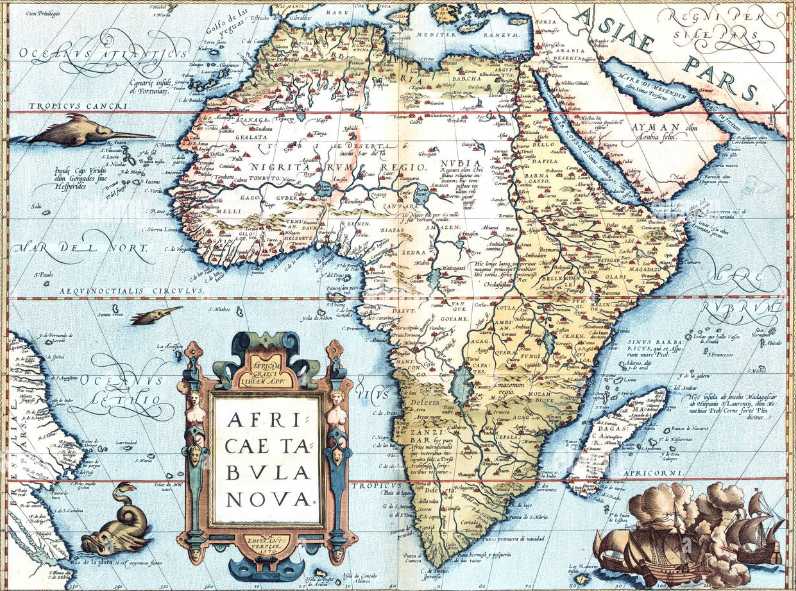 Map of ancient Egypt explores the Nile River, the regions of Upper and Lower Egypt, major cities, temples, monuments, trade routes, deserts and oases.
In the midst of this, travelers discreetly cease using the map of ancient Egypt because reality is already doing its own thing. The interesting part is how quickly confusion turns into routine, as though getting slightly lost is part of the design. You begin to trust instinct more than signage, which feels brave until it is not. Even crossings that look impossible somehow resolve themselves without complaint. It is unsettling, but also oddly impressive once you stop resisting it. After a while, you stop asking how and start simply observing what happens next.
Using map of ancient Egypt in Real Life Adventures
Trying to use it on the ground feels less like navigation and more like a social experiment designed to test patience and optimism. Street signs appear with confidence and disappear just as quickly, as though they are part of a game you were not told about.
The notion that there is an unauthorized system that everyone knows but tourists is only strengthened by the locals’ unwavering confidence in their ability to move.
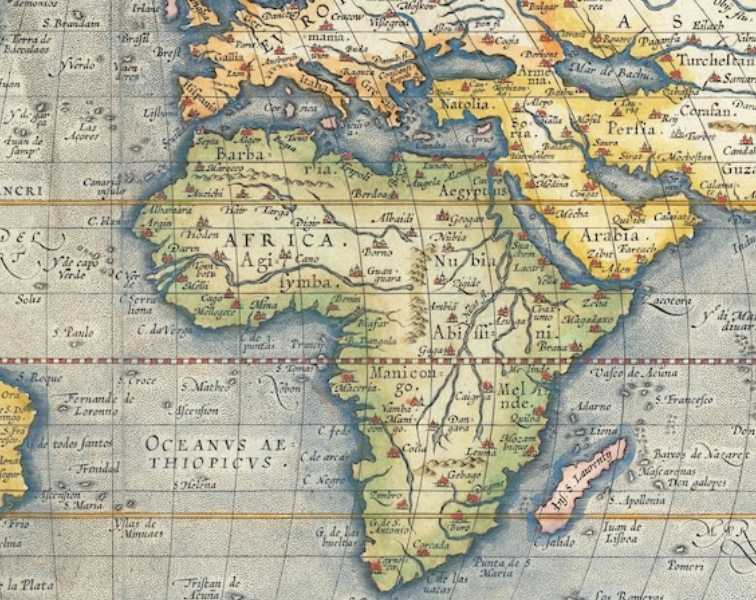 We use old world maps and historical projections today for historical research, cultural analysis, and practical navigation tasks that require straight-line compass directions.
You begin to suspect that directions are less given and more negotiated through a mixture of gestures and shared understanding.
Eventually, even the notion of accuracy seems superfluous, replaced by a carefree acceptance of your final destination.
This is also where laughter becomes crucial, because without it the experience would simply be perplexity rather than adventure. Strangely, it is here that you might first admit that the map of ancient Egypt was never really the main tool anyway.
Experience begins to matter more than instructions, which feels like a small but important shift in thinking. Every wrong turn tends to come with a better story attached. And stories, in the end, are what most travellers actually came for.
The Nile and Its Calm Disinterest
The Nile moves with such calm confidence that it makes every hurried traveller look slightly unnecessary. As you stand next to it, you begin to see how little urgency truly belongs in this region of the world. Without telling anybody else, boats glide by as if time has decided to slow down.
Because the river appears to promote patience as a way of life, it becomes clear why ancient towns flourished here. It’s as if volume itself has chosen to take a vacation, making even talks seem quieter. It is strangely serene, to the point that hurrying seems alien.
It feels like an unspoken accord as you start to automatically follow its rhythm. Even doing nothing here feels like an activity worth experiencing. There is humour in how quickly travellers adjust to this slower pace. And how reluctant they become to leave it behind.
Desert Logic and Questionable Confidence
Out in the desert, distance becomes more of an opinion than a measurement. The landscape stretches in ways that make certainty feel slightly ambitious. Heat and silence combine into a strange kind of theatre where everyone knows their role. Stops along the way feel more significant than destinations themselves.
Guides move with effortless confidence, which only increases admiration and suspicion at the same time. You start to realise that asking how far things are is less useful than asking what might happen along the way. Even brief pauses become memorable, especially when shade is involved.
Around the world, it appears as though humans have been creating maps for most of history, if not prehistory as well. While no map will ever be truly exact, since to do so would require a one-to-one scale, many of the old world reflect a similar desire to illustrate one’s world.
There is a quiet humour in realising that your internal sense of direction has fully surrendered. Every journey feels slightly improvised but never unplanned in spirit. And somehow that makes it better than anything carefully scheduled. Even wrong assumptions turn into part of the experience.
Accepting that not every moment needs to be explained or deciphered also brings a peculiar sense of joy. Once you stop fighting it, it releases pressure in a way that is quite liberating. In contrast to other settings, the desert’s quiet seems to have personality.
Curiosity, which proves to be a superior travel companion nevertheless, has taken the place of confidence by that point.
What You Actually Take Home
By the end of the trip, plans feel less like instructions and more like friendly suggestions. You realise that the most memorable parts were never the ones you scheduled.
Instead, they were the unexpected turns, conversations and moments of confusion that somehow made sense later. Travel begins to feel less about control and more about attention. There is comfort in knowing that not everything needs to be understood immediately.
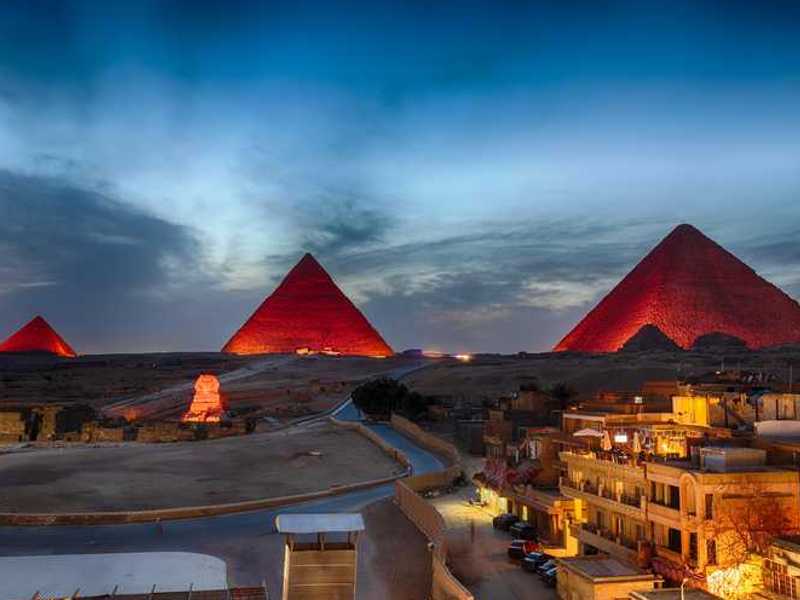 A classic first trip to Egypt takes about 7 to 9 days and covers Cairo, Luxor, and a Nile cruise.
You start to collect experiences rather than perfect routes, which feels far more honest. And that shift stays with you long after you leave the country. And long after the dust settles, you still laugh at how seriously you once treated the map of ancient Egypt as if it owed you directions.
Similar Posts From The Same Category: